This one's for the Keepers.
This year I came home to Upper Arlington. My father had died, and I'd spent the year and a half before that on our family's heritage apple orchard in Pennsylvania. Coming home was necessary, and the trees welcomed me with a hug.
The trees around Northam Park. The monsters in Old Arlington, bigger than any living trees I've seen anywhere in America, just standing in the yard, holding space. I wept when I realized they're the only ones who saw every generation of my family on these streets, the ones who've passed and the ones who've moved on.
Come back when you'll climb.
I went looking for work at tree companies and nature centers here. They all told me the same thing: if I wasn't willing to climb a tree and risk it all, I should come back later, when they needed ground crew.
That's when I understood that a lot of urban tree care thinks less like an orchardist and more like a logger. A well-planted tree doesn't need much. It needs time, and someone with a good eye for detail who's willing to understand what it faces each season.
The walk.
My grandpa, Carl F. Seeger Jr., delivered bread and milk around this neighborhood. At the funeral I met Dave, one of my dad's high school friends. Dave was a mechanic and Grandpa drove the delivery truck, so Grandpa pranked the hell out of them, like tossing firecrackers while they had their heads under the hood. UA. Generations of pranksters.
Dave told me other stories too, and those stayed with me. Grandpa cared about his route because of the people who lived on it. If something didn't look right, he took it on himself to knock on the door and make sure everything was OK.
So I designed the Tree Steward Program around a walk: every client's yard, every season, a close look at every tree. Those walks produce a lot of detail, and I needed a way to keep it and make sense of it. That's how ArbKeep started.
The name isn't chance.
There's the arborist who cares, and the homeowner who cares. And there's the tree, the patient, who needs both of them as advocates. ArbKeep is where the three meet: one chart per tree, kept for its whole life.
And I didn't coin the word Keeper. I learned it on the Olympic Peninsula, among the old growth, from a man everyone called the Salmon Keeper. He didn't own the river. He kept it. That's the job.
What the first walks taught me.
An orchardist learns one species very well. We're something like Olympic coaches, pushing one tree toward its best fruit. Growing organically, that means working with nature and learning the seasons.
Plant health care has turned out to be even more rewarding, because of the variety. In my first season I've charted 279 trees on 28 properties: 71 species of trees and shrubs, from bur oak and pawpaw to dawn redwood and ginkgo. The book holds 6,527 observations, 23 for every tree. Each one asks the questions I learned in the orchard, and each answers them differently. My clients' trees need the same thing my apple trees did: someone who knows the season and shows up for it.
And I'm finding that the trees are the ones I answer to. Not just any trees. The trees in my neighborhood.
Why I'm opening it up.
This is the most rewarding work I've done. In one season I've learned a lot, and I've tried a few things I haven't seen anyone else do: a walk that knocks on the door when something looks off, a note the day before a soaking rain, a chart that follows each tree for its whole life.
Ideas like that get better when someone tries them on another street. So ArbKeep is now open to other arborists. I'm looking for colleagues more than customers: Keepers who work around their own block, who'd rather save the oak than drop it, and who want to swap what they're learning. What worked on a pin oak in your town might save one in mine.
I'm opening it tonight, under the harvest moon. My father passed a year ago, under the last one, and that's where all of this began.
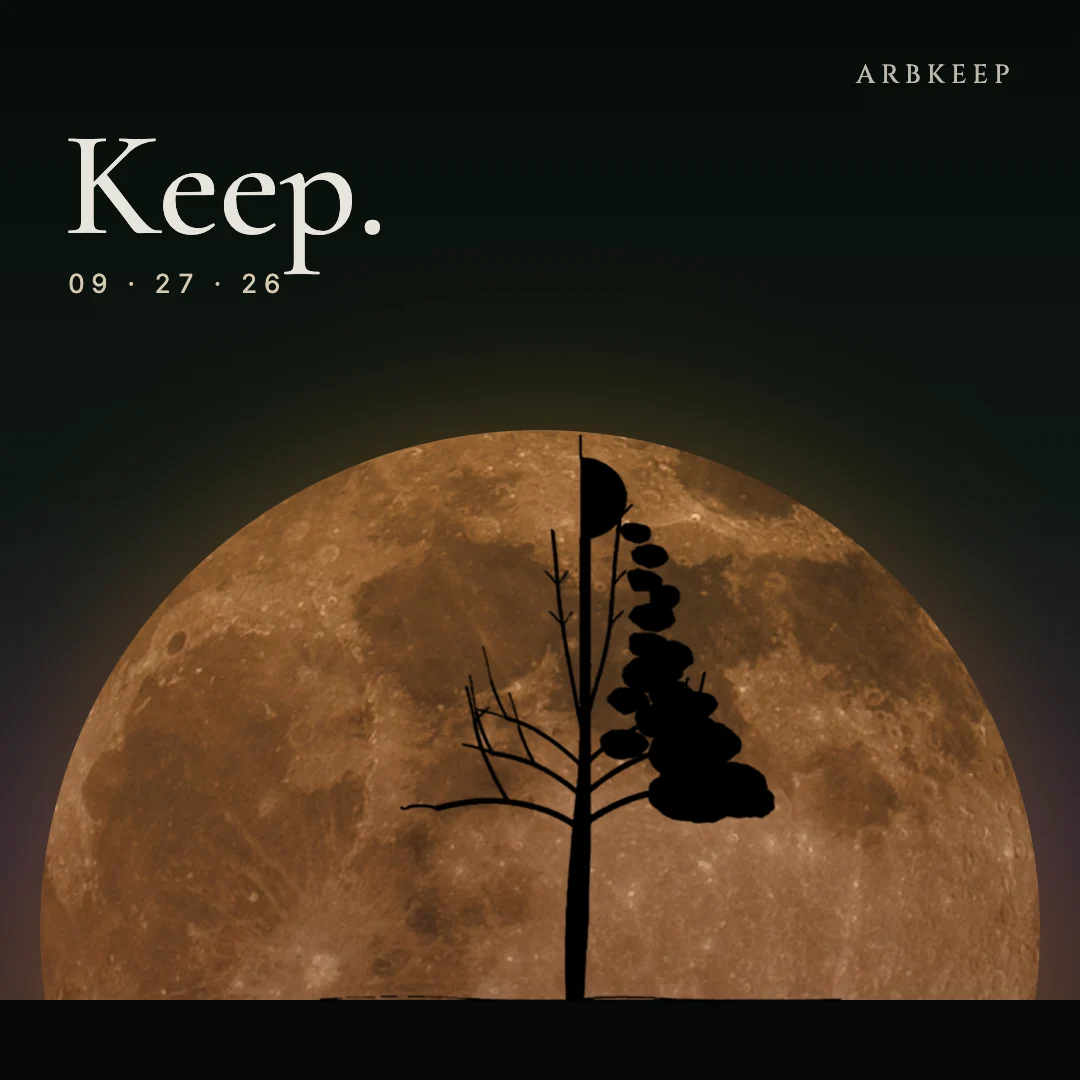
This canopy is mine to keep. Go find yours, and tell us what you learn.
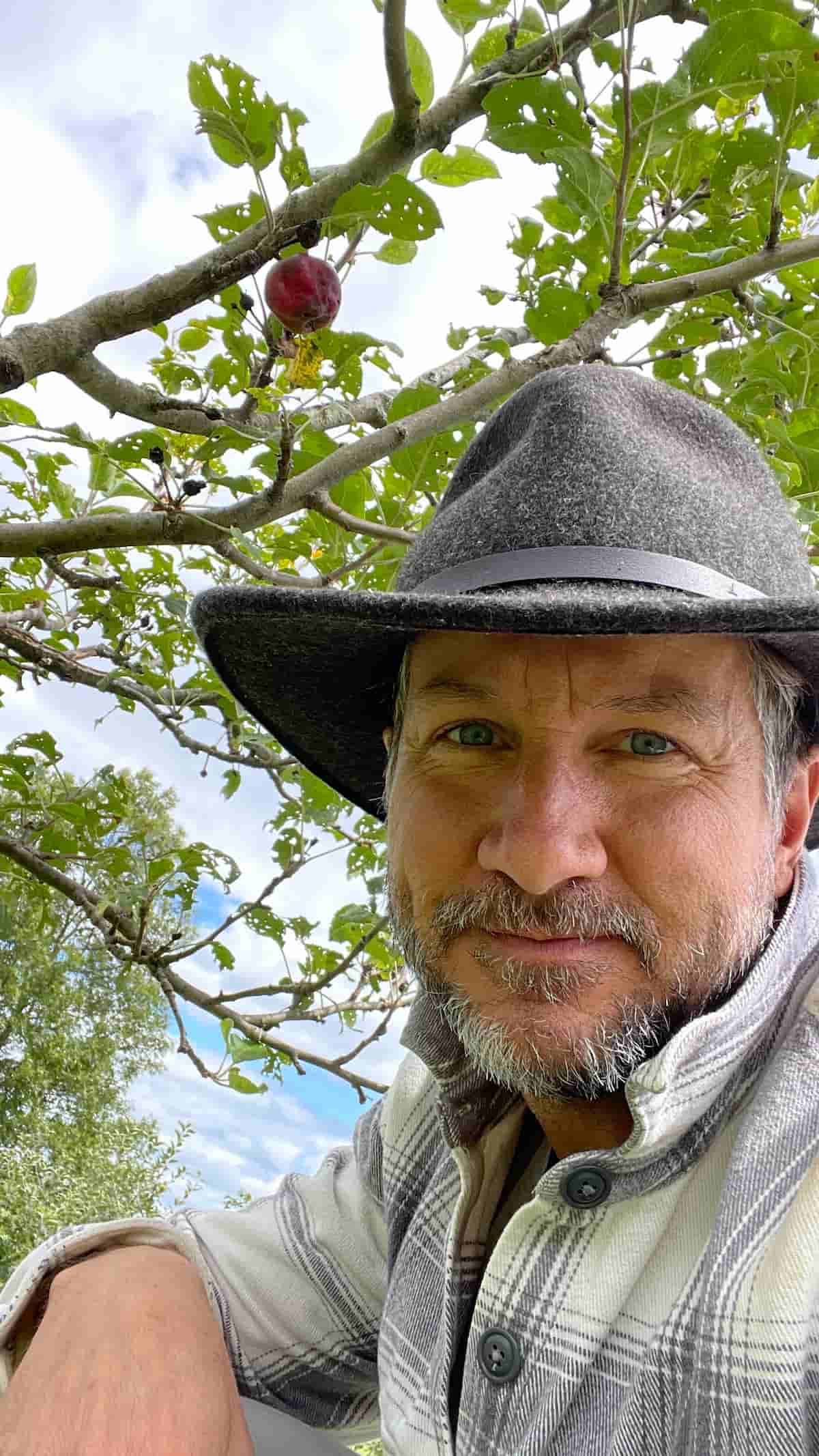
David All · Arborist in Upper Arlington, Ohio — by way of heritage apple orchards in Pennsylvania and old-growth conifers on the Olympic Peninsula. Builder of ArbKeep — the health record for trees. Featured in The Guardian. Ohio Chapter ISA member · Upper Arlington Tree Co.