BlackRock wrote the memo for my industry — they just didn't know it was about trees
I read a BlackRock paper this week called Building America: investing in infrastructure and the workforce. It's a serious piece of writing — $10 trillion of infrastructure to build by 2033, a skilled-trades labor shortage, apprenticeships as the way in. It never once mentions a tree.
It's about my industry anyway.
Two things that memo gets right, and neither is new to anyone who does this work
The first is that skilled trades are having a moment — and it's overdue. The jobs pay well, they don't need a four-year degree, and they're hard to offshore or automate. The Labor Department projects infrastructure trades to grow about 5.3% through 2034, against roughly 3% for the economy as a whole. In a national poll this year, 94% of people said a trade-school education is worth the tuition — while they were nearly split on whether a four-year degree is. You learn by earning. You end up with a skill that's yours.
Arboriculture is one of those trades. And here's what the memo can't see from where it sits: a new kind of person is walking into this field. Not through the chainsaw door — through the clinical one. They got certified before they ever felled a tree. They think in soil tests and differentials, not just removals. I call them tree doctors, and they are the future of this work.
The second thing the memo gets right is that infrastructure is a generational investment — the kind of long-lived capital you put in today so the returns show up for decades. Every dollar in infrastructure tends to generate well over a dollar of output. And the thing almost nobody puts in that column: the urban forest is infrastructure. The canopy over your street manages stormwater, cools the pavement, buffers the wind, and quietly carries a chunk of your property value. It's long-lived capital. It has to be maintained — not just cut down when it fails.
That's the whole point.
Removal is a transaction. Care is infrastructure.
And infrastructure needs two things this trade doesn't have yet
The same workforce gap the memo describes is sitting in arboriculture. The trades are graying — median age in the low 40s, a fifth of the workforce over 55 and eyeing retirement — and only about one in ten workers are women. That matches what I see: in the credential data I've looked at across Certified Arborists, roughly 13% are women, and the field is being repopulated by a younger, credential-first generation. Public money is flowing toward exactly this — apprenticeship mandates, Workforce Pell grants landing in summer 2026. The pipeline is being funded.
But look at what that new arborist is handed on day one. Every tool built for this trade was built to schedule trucks and chase payment. Nothing was built for the tree. There's no shared record. No standard of care that travels with the property. No way to reason about a sick tree the way a clinician reasons about a patient — history, differential, treatment, follow-up.
That's the gap I've spent the last stretch building into. Not a CRM with leaves on it — a clinical layer. One chart per tree, for its whole life. AI that reads a photo and drafts a diagnosis an arborist signs. Treatment plans cited to the actual standards. A record that follows the address, so the next owner inherits decades of care instead of starting over. I build it against my own book, in my own town, on real trees — because the only proof I trust is the work holding up.
The memo ends on a line I keep coming back to: investing in infrastructure is investing in America's future. The urban canopy is the infrastructure we walk under every single day and account for the least. Tending it well is skilled, learnable, durable work — a trade worth entering and worth building for.
BlackRock wrote the investment case. They just thought it was about roads and rebar.
It's also about trees.
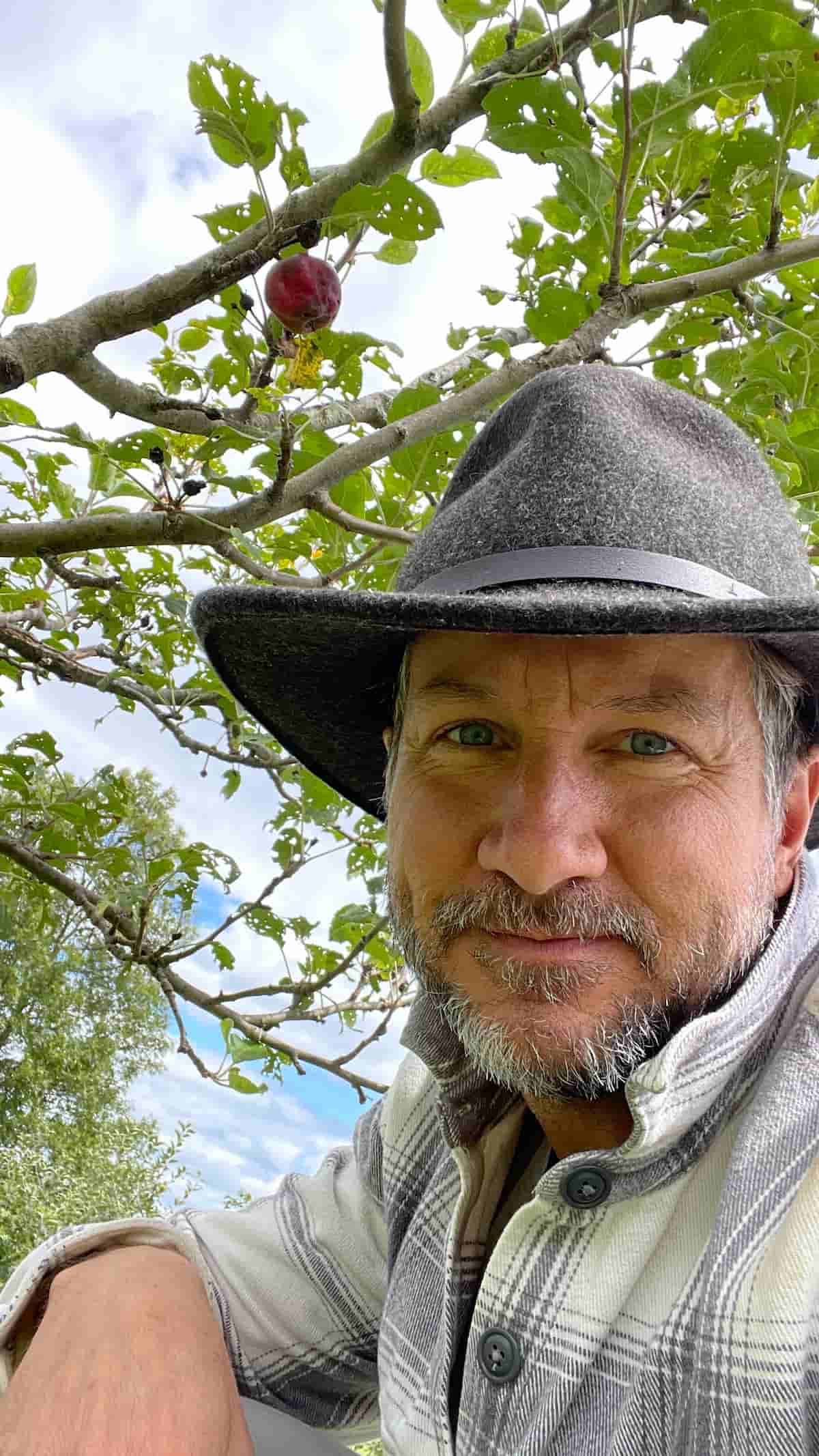
David All · Arborist in Upper Arlington, Ohio — by way of heritage apple orchards in Pennsylvania and old-growth conifers on the Olympic Peninsula. Builder of ArbKeep — the health record for trees. Featured in The Guardian. Ohio Chapter ISA member · Upper Arlington Tree Co.
ArbKeep is built by a working arborist, with a small founding group of arborists who'd rather sharpen a protocol than manage a crew. If that's you — and especially if you also write code, design, or do PHC science — come build it with us.