How to start plant health care in a tree service
Most tree companies that add PHC start the same way: the removals are steady, the crew is good, and somebody notices that every yard they leave still has six trees standing. This is the guide I wish someone had handed me. It answers the questions operators actually ask, in the order you'll hit them.
In this guide
- What PHC is, and what it isn't
- License and insurance first
- Learn to diagnose before you learn to spray
- Pick three to five services, not thirty
- Equipment, in the order you'll need it
- Pricing: the visit, the program, the inch
- Records from day one
- Getting the first recurring clients
- What PHC software actually has to do
- A first-season calendar
- Find a mentor
What PHC is, and what it isn't
Plant health care is the part of arboriculture that keeps a tree alive instead of taking it down: soil, roots, pests, disease, nutrition, and the treatment that follows from reading them correctly. The order matters. PHC is diagnosis first and treatment second. A company that buys a spray rig and starts fertilizing is running a spray route, not a PHC program, and the clients can tell the difference within two seasons.
It is also a different business from removals. Removals are an afternoon and an invoice. PHC is the same tree, visited across years, with a record that gets more valuable every time you come back. The work is cheaper per visit, far more frequent, and it recurs. That is why operators want it, and it is also why the habits that made the removal side work will not carry over unchanged.
A removal should be a diagnosis, not a default.
License and insurance first
Every state requires a commercial pesticide applicator license to apply anything for pay, including fertilizer blends that carry an insecticide or fungicide. The category is usually called ornamental and turf, or ornamental and shade tree, depending on the state. Your state department of agriculture runs the exam and sells the study manual. Nothing else in this guide happens until this is done, and the manual itself is a decent introduction to the trade.
- The license is per applicator, and the business often needs its own. Many states license the company separately from the person making the application. Check both.
- Recordkeeping is part of the license. States require a written record of every application, typically kept for two to three years. The exact fields are below under Records.
- Insurance. Standard tree-care general liability often excludes pesticide application. Ask your carrier for the pesticide or herbicide endorsement before the first job, not after a drift complaint.
- Restricted-use products need the license in hand to buy. Most of what a starting program uses is general-use, but the injection products and some soil treatments are not.
Learn to diagnose before you learn to spray
Most of what you'll see in a yard is site and soil trouble, not an insect. Compacted fill from the build, a girdling root under three inches of mulch, a pH that locks the iron out of a pin oak. Treat the wrong thing and you've spent the client's money, lost a season, and taught them that PHC doesn't work. The discipline is the differential: list what could cause what you're seeing, rule things out, and land on the one that fits this tree, on this site, with this history.
What to read and where to send things:
- Two books live in every PHC truck: Diseases of Trees and Shrubs (Sinclair and Lyon) and Insects That Feed on Trees and Shrubs (Johnson and Lyon). Buy both used. You'll have them twenty years.
- Your state extension service publishes free fact sheets for the pests and diseases of your region, and runs a plant diagnostic lab that will identify a sample for a small fee. Use it constantly the first year. You are paying for a second opinion from a pathologist.
- A soil lab. A standard panel with pH, organic matter, CEC and the major nutrients costs less than a tank of fuel and answers more questions than any single visual inspection.
- Growing degree days. Insects emerge on heat, not on the calendar. Your extension service publishes GDD tables with the pests keyed to them. This is how you time a scale treatment instead of guessing.
- Credentials, when you're ready. ISA Certified Arborist is the baseline clients recognize. Board Certified Master Arborist and the Tree Risk Assessment Qualification come later, after the field work gives the study material somewhere to land.
The question that comes up every fall. A dead maple, fruiting bodies around the root flare after a wet month, and the customer wants to plant the replacement in the same hole. Most of those fungi are decomposers finishing dead wood, not the thing that killed the tree. But some are root pathogens that live on in the soil and will take the next tree too. You cannot tell them apart from the truck. You send a sample, you grind deep and wide, and you choose the replacement species with the answer in hand. That is the whole job in one yard.
Pick three to five services, not thirty
The temptation is a menu with everything a distributor sells. Resist it. Start with services your existing clients already need, that you can diagnose with confidence, and that produce a visible result inside a season.
- Soil testing with a correction plan. The lab test turns "fertilization" into a specific recommendation for this yard. It also keeps you from fertilizing trees that don't need it, which is what sours people on PHC.
- Root collar excavation and mulch correction. Buried flares and girdling roots are everywhere in suburban plantings. It needs an air tool or a hand trowel and patience, and it fixes a problem the homeowner can see.
- Dormant oil. Late-winter work for scale and overwintering mites, when the crew has time and the removal calendar is light.
- One or two insect treatments common to your region. Borers or soft scale in most of the country. Emerald ash borer injections where ash is still standing. Pick the ones you'll see every week, not the ones in the catalog.
- A health evaluation with a written report. Charged for, one entry per tree, with what each tree needs and when. This is the service that sells the other four.
Deep root fertilization on its own is not a program. Add it when the soil test says the tree needs it.
Equipment, in the order you'll need it
Buy small and let the schedule earn the big rig. The first season's kit fits in a milk crate.
- Year one: a hand lens, a soil probe, a rubber mallet for sounding trunks, a sharp knife, sample bags, a backpack sprayer, and a soil auger or sharpshooter spade for root collar work.
- When injections are on the books: a trunk injection system. Compare the consumable cost per inch of DBH across brands before you choose. That number drives your pricing more than the kit price does.
- When root work is weekly: an air excavation tool and the compressor to run it. Rent first. A towable compressor is a real purchase and the rental tells you whether the volume is there.
- When the spray calendar is full: a skid-mounted sprayer sized to your routes. Operators ask about tank size first. Ask about hose reel length and pump pressure first, because those decide what you can reach from the street.
Pricing: the visit, the program, the inch
Price the visit, not the product. The product cost is a fraction of what the client is paying for, which is your eyes on the tree and the record you keep. Three structures cover most of it:
- Per visit for sprays and soil treatments, with a minimum that covers the drive and setup.
- Per inch of trunk diameter for injections and soil-applied systemics, because dose scales with the tree.
- Per year for the program: two to four scheduled visits, the evaluation, and the report, priced as one annual number that renews unless the client cancels.
The program is what makes PHC a business instead of a side job. One-off treatments do not come back on their own. A yearly program, billed per visit or in advance, does. Other arborists in your area will tell you what their market bears, and ArbKeep Pro ships with program templates shaped by working arborists as a starting point.
Records from day one
Set this up before the first application, because the state will ask and because the records are also what you sell. The fields most states require:
- Date and time of application
- Site address and the specific plants or area treated
- Target pest or problem
- Product brand name and EPA registration number
- Rate, amount applied, and the total area or number of trees
- Applicator name and license number
- Weather at application: temperature, wind speed and direction
Keep them per tree, not per invoice. When the same oak gets its third injection in year four, you want its history in one place, with the photos you took each time. That record is what lets you say "here is what we did and here is what changed," and it is the strongest renewal argument there is.
Getting the first recurring clients
You already have the hardest part, which is a list of people who paid you to touch their trees. Most of what works comes from that list, not from new advertising.
- Every removal is a PHC lead. The homeowner just watched a tree die and has four more in the yard. Have whoever quotes the removal note the standing trees, and follow up within a week to offer a look at the rest.
- Sell the evaluation, not the fertilizer. A written report with one entry per tree does the selling. Fertilization on its own sounds like an upsell. A plan for their trees sounds like care.
- Soil test first. It shows the client you looked before you sold, and it gives you something to recommend that isn't a spray.
- Separate the two businesses in the client's head. A different page on your site, a name for the service line, and ideally a different person doing the selling. A removal estimator sells removals.
- Market by season to people you know. A short note when something is actually happening in their yard: scale crawlers in June, scorch in August, fall soil work, dormant oil in late winter.
- Work the street. A PHC truck is back on the same block three times a year. Door hangers on the nearest neighbors each visit, and a yard sign on treatment day where it's allowed.
- Go after properties with many trees. HOAs, property managers, churches, small commercial sites. One contract there equals twenty residential programs, and they budget annually.
- Teach while you're there. Show them the fruiting body, the borer hole, the girdling root, and photograph each tree for the file. People renew with the person who explained their trees to them.
The number to watch is renewal rate, not new signups. If clients are staying, the marketing is working.
What PHC software actually has to do
The most common complaint from operators adding PHC is that the software that runs the removal side can't run this side. That's usually true, and it's worth being precise about why, because the fix is not necessarily a new dispatch tool. A job-shaped system bills the afternoon. PHC is tree-shaped and runs across years. The requirements that come up over and over:
- One program, many visits, billed sensibly. Six visits a year on one plan, each visit its own billable ticket, invoiced as it's done or prepaid annually, without creating six separate jobs by hand.
- Return visits that are modular, not recurring. A scale treatment lands on the crawler window, which moves with the weather. A soil correction follows the lab result. Visits should be sequenced by the tree's year, not by a calendar repeat.
- Photos on the tree, not on the invoice. The photo from this spring needs to sit next to the photo from last spring, on the same tree's record, where a renewal conversation can find it.
- The application record captured as you apply it. Product, EPA number, rate, weather, applicator, in the required fields, filed to the tree.
- The client told ahead of time. A note two days out and a heads-up when the tech is on the way. Most dispatch tools do this already.
Many operators end up with two systems: the dispatch and invoicing tool their crew already knows, and a PHC record alongside it. ArbKeep Pro is the second one. It keeps a chart per tree with the photos and the application record, sequences the plan by the tree's year, bills a program visit by visit, gives your client a page of their own trees to keep, and includes a public website with a lead form that lands straight in your book. It does not dispatch crews or run your payroll, and it never touches the client's payment. If the crew stays on the tool it has, that's fine.
A first-season calendar
Written for the Midwest. Shift it by a few weeks either direction for your region, and let growing degree days, not the month, time the insect work.
- Late winterDormant oil on scale and mite hosts. Structural pruning while you can see the branch architecture. Soil samples as soon as the ground thaws.
- SpringSoil corrections from the winter samples. Root collar excavations. Evaluations and written reports for every removal client from last year. Injections as leaves expand.
- Early summerScale crawlers and borer flights, timed by GDD. Watch for interveinal yellowing on oaks and maples; it's usually pH, not a bug.
- Late summerScorch and drought calls. Many are watering problems, and some are the first visible sign of root damage from two years ago. This is when the record earns its keep.
- FallSoil work and fertilization where the test called for it. Planting and replacements, with the fungus question answered first. Renewals go out before the holidays.
- WinterReview every tree's year. Price next season's programs. Study for the credential you put off.
Find a mentor
Your ISA chapter runs PHC workshops and field days, and the people teaching them answer email. The Tree Care Industry Association has a PHC track. Your extension entomologist and pathologist will take a phone call from a licensed applicator who asks good questions. And a season riding along with an experienced PHC technician is worth more than all of it. Ask around. The trade is smaller than it looks, and most people in it remember who helped them start.
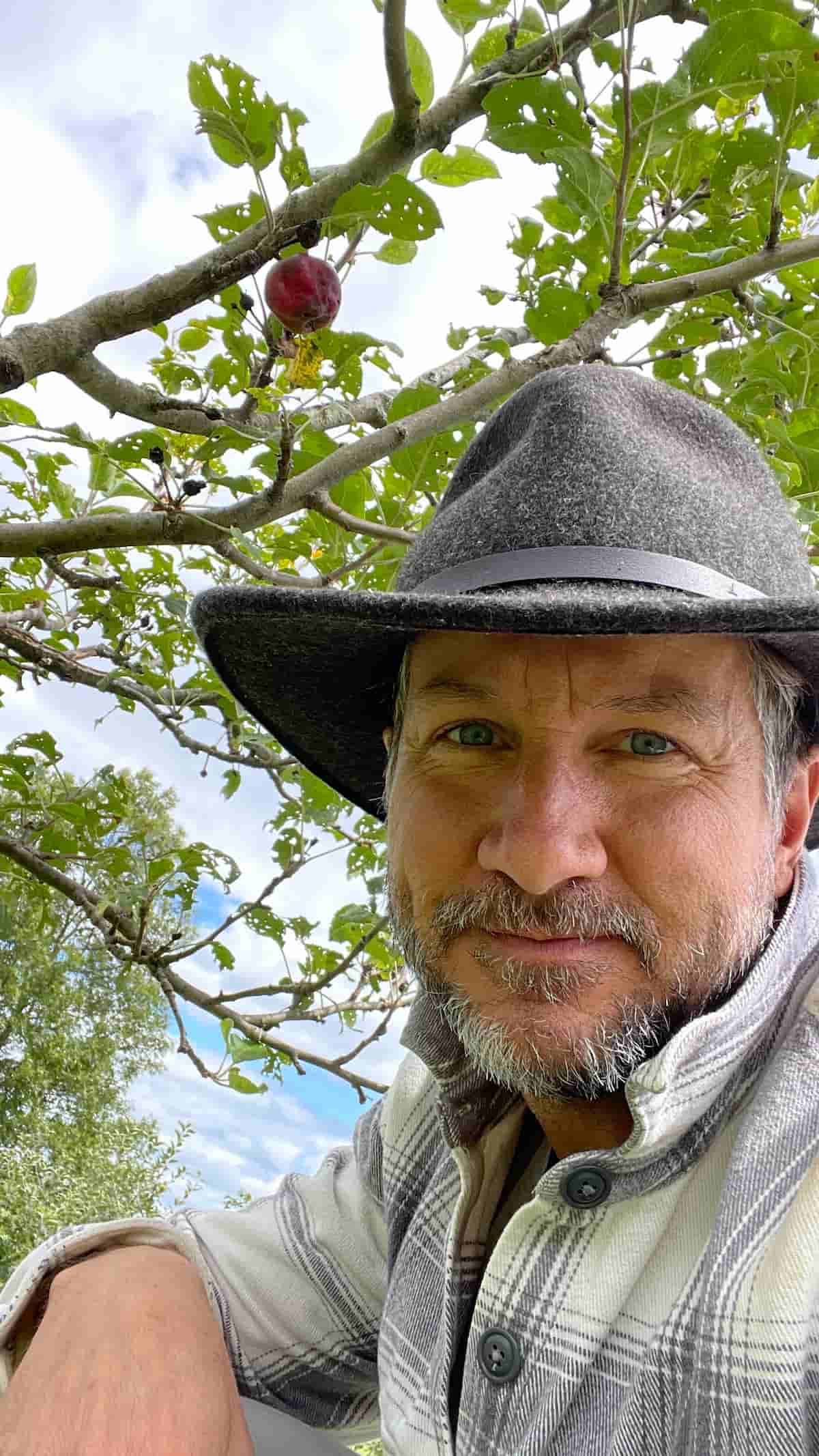
David All · Arborist in Upper Arlington, Ohio — by way of heritage apple orchards in Pennsylvania and old-growth conifers on the Olympic Peninsula. Builder of ArbKeep — the health record for trees. Featured in The Guardian. Ohio Chapter ISA member · Upper Arlington Tree Co.
Adding PHC to a working tree company and want to compare notes? Write to me. If the software part is the question, ArbKeep Pro is $100 a month, 14 days free, no card.